
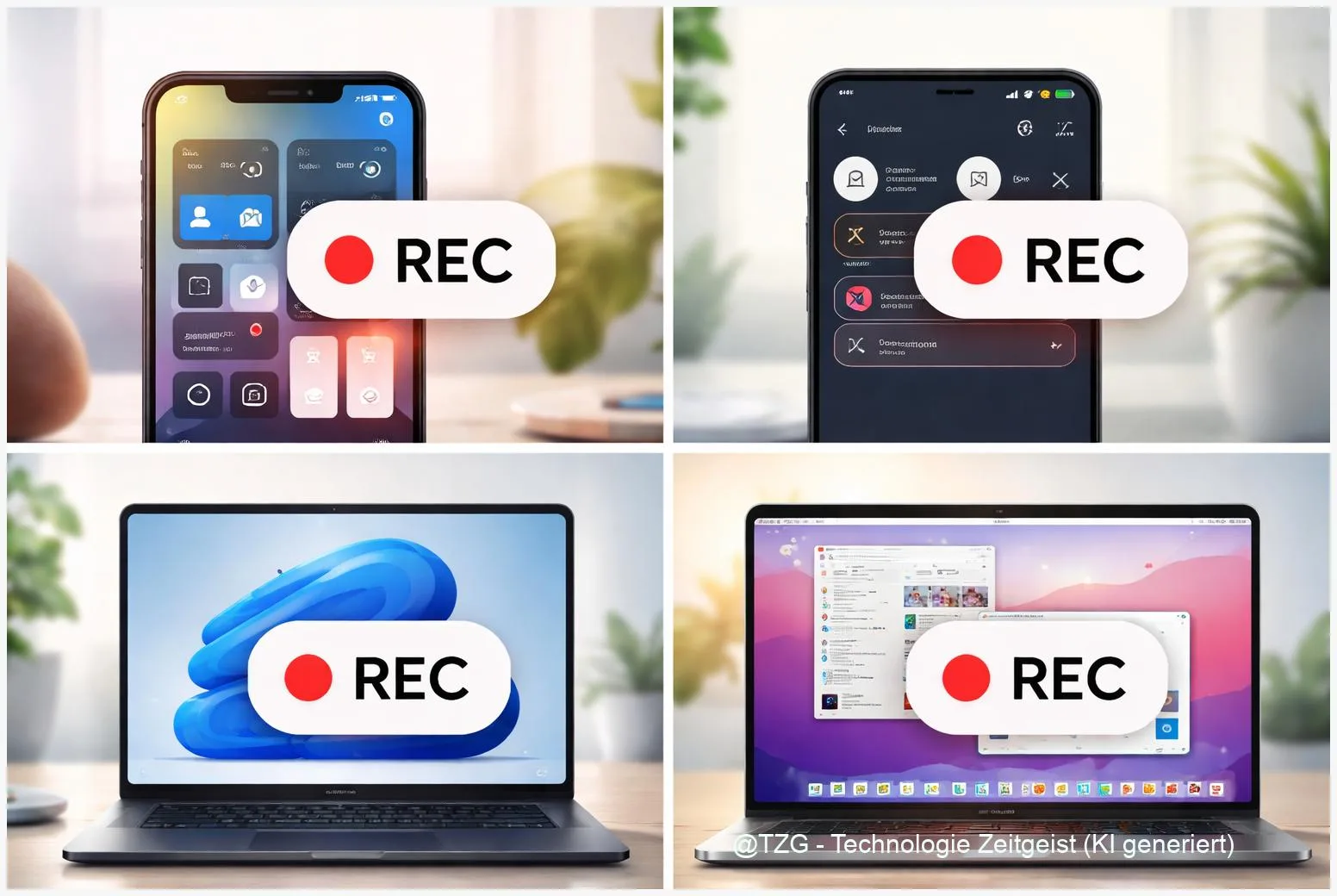
Want to screen record iPhone, Android, Windows 11, or Mac without installing extra apps? This guide shows the built-in tools on each platform, how to include audio, and where your video is saved. After these steps, you can record a quick tutorial, capture a bug for support, or save a video call moment (where allowed) and share it in a clean, readable format.
Introduction
Screen recordings are the fastest way to show what you mean. A screenshot captures one moment, but a short video can show the exact taps, menus, and timing that matter. That helps when you want to explain a setting to a family member, document a software bug for support, or keep a short walkthrough for your future self.
The good news: modern iPhones, many Android phones, Windows 11 PCs, and Macs already include screen recording tools. The not-so-good news: the buttons are hidden in different places, audio options vary, and saved files can be hard to find.
The steps below keep it simple and practical: you’ll prepare your device, start a recording with the right audio setting, stop it safely, then trim and share it without exposing private notifications.
Basics and Overview (what gets recorded, and what “audio” means)
A screen recording is a video capture of what happens on your display. Depending on the device, it may also capture audio. It helps to separate three common audio types:
System audio is the sound your device plays (app sounds, game sound, video audio). Microphone audio is your voice or room sound. Some platforms let you record both, others only one.
The best screen recording is the one that protects your privacy: record only what you need, and control notifications before you press “Start.”
Built-in tools are usually enough for everyday tasks: iPhone and iPad use Screen Recording from Control Center; many Android devices offer a Screen record tile in Quick Settings; Windows 11 includes screen recording in the Snipping Tool; and macOS provides the Screenshot toolbar (Shift-Command-5) or QuickTime Player. Be aware that some apps (for example, certain streaming services) can block recording or produce a black screen to protect copyrighted content.
| Option or Variant | Description | Suitable for |
|---|---|---|
| Phone quick capture | Start from Control Center (iPhone) or Quick Settings (Android), stop from status bar. | Short tutorials, reporting a bug, app walkthroughs. |
| Desktop built-in tools | Windows Snipping Tool or macOS Screenshot toolbar for region-based recording and quick trimming. | Work or school guides, software demos, clearer pointer control. |
Preparation and Prerequisites (avoid silent videos and private pop-ups)
Two minutes of preparation prevents most problems: missing audio, stuttering video, or a surprise message notification appearing in your recording.
Before you start, check these basics:
- Free storage: screen recordings can grow quickly. If your device is almost full, recordings may stop or fail to save.
- Do Not Disturb / Focus: enable it to hide notifications and calls while recording.
- Audio goal: decide whether you need your voice (microphone), device sound (system audio), or both. On macOS, built-in recording is typically microphone-only.
- Permissions: on Mac, you may need to allow Screen Recording permission in system privacy settings. On phones, you may be asked for microphone permission the first time.
- Clean the view: close sensitive tabs, hide personal photos, and log out of accounts you don’t want visible.
If you plan to share the video, think one step ahead: are names, emails, or message previews visible? A quick crop or trim later helps, but it’s easier to prevent those moments from appearing at all.
Step-by-Step Instruction (screen record iPhone, Android, Windows 11, and Mac)
The steps below cover the built-in methods. Follow the subsection for your device, then use the same simple pattern: start, perform the actions, stop, find the file, trim, share.
-
iPhone / iPad (Control Center):
- Open Control Center (on many models: swipe down from the top-right corner).
- If the Screen Recording button (a circle-within-a-circle) is missing, add it in Settings > Control Center.
- Tap the Screen Recording button. A short countdown starts, then the recording begins.
- To record your voice, press and hold the button, then turn Microphone on before starting.
- Stop the recording using the on-screen stop indicator or by opening Control Center and tapping the recording button again. The video is saved to the Photos app.
-
Android (Quick Settings, built-in Screen recorder on many devices):
- Swipe down from the top twice to open Quick Settings.
- Look for Screen record. If you don’t see it, use the edit/pencil option to add the tile.
- Tap Screen record, choose your audio option (device audio, microphone, or both if offered), and confirm what you want to record (full screen or single app on some versions).
- Start the recording, perform your steps, then stop from the recorder notification.
- Find the video in your gallery app (often Google Photos on Android/Pixel) under Movies or Screen recordings.
-
Windows 11 (Snipping Tool screen recorder):
- Open Snipping Tool from the Start menu search.
- Switch to Record (video) mode, then select the area of the screen you want to capture.
- Start the recording. If available on your version, enable microphone and/or system audio options before you begin.
- Click Stop when finished. Save the video as an MP4 file when prompted.
-
Mac (Screenshot toolbar or QuickTime Player):
- Press Shift-Command-5 to open the Screenshot toolbar.
- Choose Record Entire Screen or Record Selected Portion.
- Open Options and select a microphone if you want voice narration.
- Click Record. Stop from the menu bar stop button (or use the stop shortcut shown by Apple).
- Your recording is saved to the selected location (often Desktop by default). You can also start via QuickTime Player > File > New Screen Recording.
If everything worked, you should see a playable video immediately after stopping (Photos/Gallery on phones, a save dialog or preview on desktop). If the recording is silent or missing, check the troubleshooting tips below before repeating the whole process.
Tips, Troubleshooting, and Variants (audio, privacy, and cleaner videos)
Most problems come down to audio settings, permissions, or blocked content. These fixes solve the common cases without extra software.
If your recording has no sound: On iPhone/iPad, microphone audio is optional and must be enabled before recording (press-and-hold the button). On Android, double-check whether you selected device audio, microphone, or both. On Windows 11, confirm the audio toggles in the recorder UI (availability can depend on your Snipping Tool version). On Mac, built-in recording usually captures microphone audio; system audio may not be included with Apple’s built-in tools.
If the video is black or an app refuses to record: Some apps deliberately block screen recording (often for copyright or security reasons). Try recording a different app to confirm your recorder works, or use official in-app sharing/export features if available.
If notifications leak into the video: Use Focus/Do Not Disturb, and consider Android’s “single app” recording mode if your device offers it. On Windows and Mac, close chat apps or pause notifications before starting.
Make it easier to follow: Record short segments (30–90 seconds), speak slowly if narrating, and zoom in (accessibility zoom on phones, display scaling on desktop) for tiny UI elements. For quick editing, trim the start/end in Photos (iPhone), your gallery editor (Android), or the built-in preview tools on Windows and macOS.
If you want more everyday device organization tips, TechZeitGeist also covers practical system cleanups, such as Windows and smartphone how-to guides on TechZeitGeist. (Use the site search for your exact model and OS version.)
Conclusion
Screen recording is one of those features that quietly saves time: it turns “I can’t explain it” into a clear video anyone can follow. On iPhone and iPad, it starts from Control Center and saves straight to Photos. On Android, it’s usually a Quick Settings tile with flexible audio choices. Windows 11’s Snipping Tool and macOS’s Screenshot toolbar make it easy to record only the area you need and stop with a single click.
Once you control audio and notifications, your recordings look cleaner, share faster, and reveal less personal information. Keep recordings short, verify the first test clip, and you’ll have a reliable workflow across all your devices.
Tried this on your device and noticed different menu names? Share your model and OS version, and compare notes so others can find the right buttons faster.

Leave a Reply